Commercial Drone Operational Safety: From Preparation to Review
Sitting down with Allan recently, finding out more about Helidragon and its operations, I got chatting to Allan about the wider elements of Health & Safety and we quickly found common ground. One aspect in particular was the practical implementation of Health and Safety Systems, beyond the policies and manuals and into the day-to-day practices that make a difference.
In this blog we highlight the practical elements of drone operational safety, from the pre-flight preparations to on-site operations and post-flight review.
Safety isn’t just a legal obligation—it’s the cornerstone of every successful flight, not just for Helidragon but for every commercial drone operation.
1. Preparation: Plan Before You Fly
A safe flight starts long before the drone takes off. Key preparation steps include:
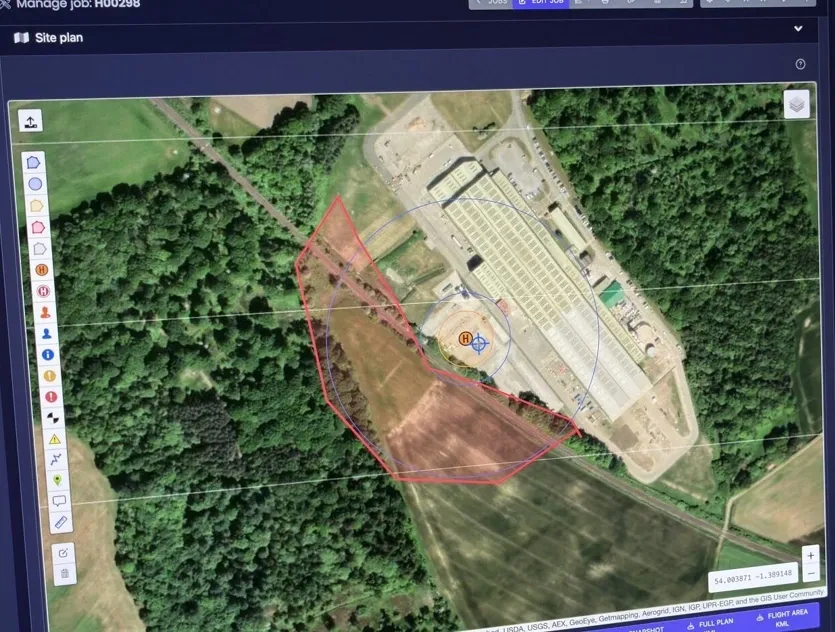
· Risk Assessment: Identify hazards like weather changes, terrain obstacles, structures, other site operations and nearby people. Always consider potential emergencies, such as GPS loss or technical failures.
· Airspace Awareness: Check the UK Civil Aviation Authority (CAA) databases for restricted zones, controlled airspace, and temporary flight restrictions.
· Flight Planning: Map your route, altitudes, take-off and landing positions and contingencies.
· Equipment Prep: Ensure batteries are charged, firmware is updated, and all equipment is in good working order.
· Using specific Drone Software: like ‘Dronedesk’ to assist with operation planning and safety monitoring
· Checking emergency procedures: are suitable and relevant contacts are up to date for the area.
Having a sound and thorough plan is essential to a smooth operation and should detail how the job is going to work. This may start weeks before the flight itself, visiting the site and scoping the area, discussing with the client their requirement and the site operational risks.
Plan the work - Work the plan
2. Pre-Flight Checks: Ensure everything is fit to fly
Before every flight, conduct equipment and system inspections and review the environment for changes:
· Visual Inspection: Check propellers, arms, and frames for damage.
· Using a compass to orientate the landing pad orientation in case of flyaway
· System Tests: Confirm GPS lock, compass calibration, set home point and check sensor function.
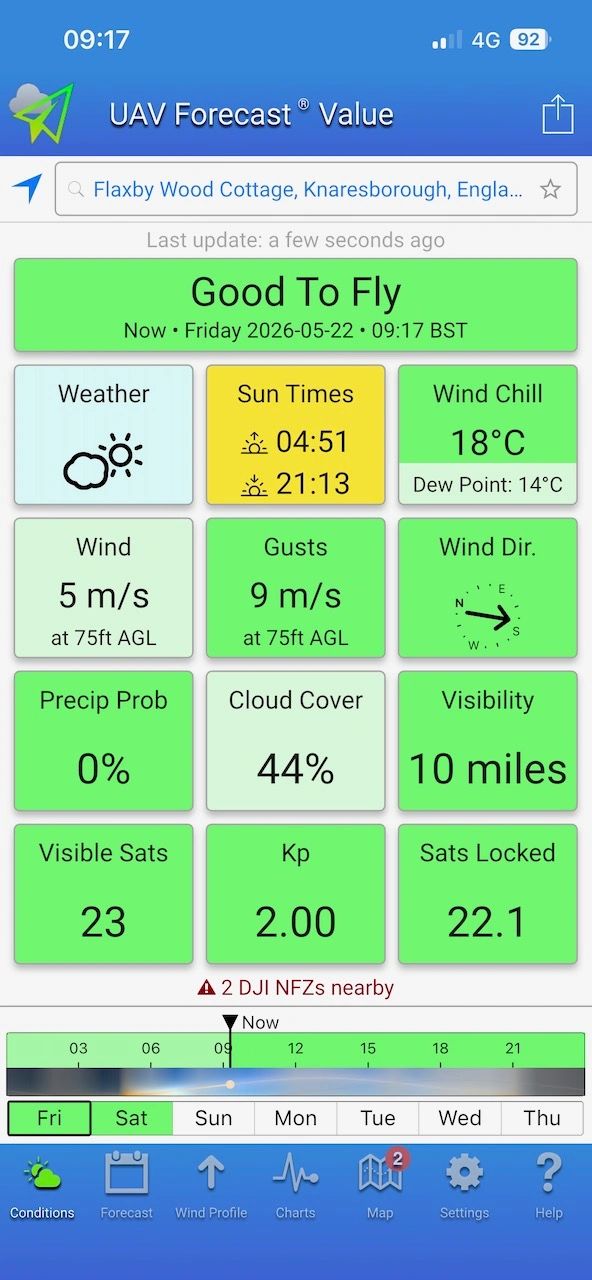
· Airspace and weather checks: and flight planning also use the altitude angle
· NOTAM's and other airspace users - flight radar in Dronedesk, Drone assist, UAV forecast, Windy, Airdata – all to confirm conditions are safe and optimal
· Communication Check: Ensure reliable connection between drone and controller.
· Documentation: Verify permits, insurance, and logbooks are up to date.
· Environment: Has anything changed from the plan? Site risks, other adjacent activities, weather conditions on the day
Conducting checks pre-flight help ensure not only the equipment is safe to operate in the environment and ready for operation, but it also prepares the operators mind engaging their focus on the task, creating awareness of risks and the planned controls.
Safety awareness and dynamic risk thinking are key so the operator can react to change.
3. Operation: Fly Smart, Fly Safe
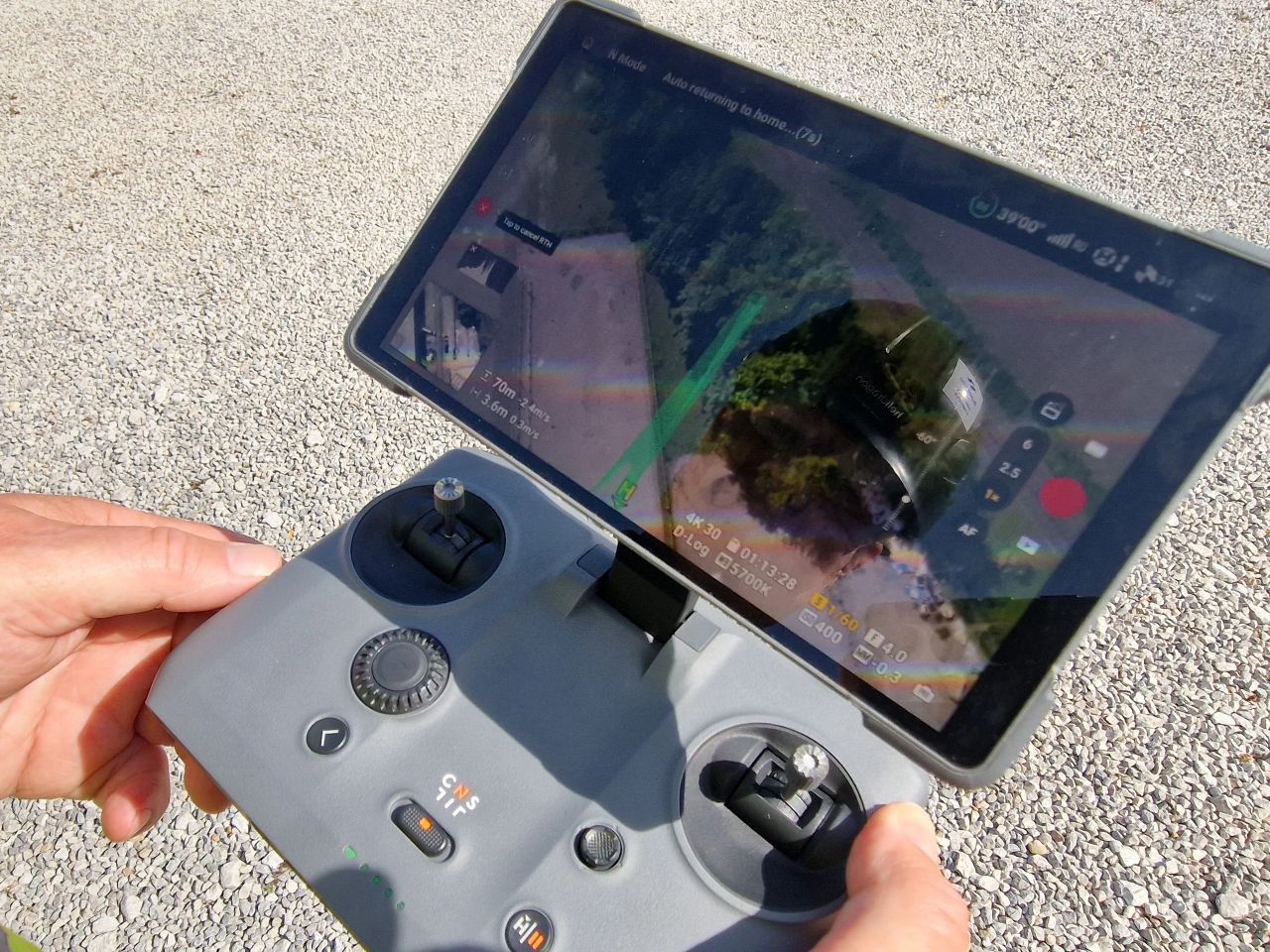
During flight, vigilance is key:
· Maintain Visual Line of Sight: Required by the CAA for most commercial flights.
· Monitor the Environment: Watch for weather changes, birds, other aircraft, and site risks such as vehicles or plant
· Controlled Operations: Avoid flying over people or performing risky manoeuvres.
· Team Communication: Keep all team members informed about objectives and contingencies.
4. Post-Flight Review: Learn, Improve, Repeat
Safety doesn’t end when the drone lands:
· Data Review: Analyse flight logs for anomalies or near-misses.
· Equipment Maintenance: Inspect for wear and schedule repairs.
· Incident Reporting: Document any issues to inform future flights.
· Team Debrief: Discuss successes and improvements with your team.
Each flight as a learning opportunity—continuous improvement is the backbone of safe operations.

Final Thoughts
My visit and discussions with Allan from Helidragon is an example of health and safety policies and procedures in practice, ensuring key steps and behaviours happen every single operation.
Drone operations are exciting, but safety must always remain your primary flight path.
By following a structured approach from preparation through to review, commercial drone operators can minimise risks, provide different options and perspectives for clients, and ensure both personnel and equipment are kept safe.
Thanks to Allan from Helidragon for contributing to this blog and for his time on site, sharing his experience, passion and motivation for providing quality aerial imaging -safely.
A safe workplace doesn’t happen by accident – it’s built with Motive!